
Ayurvedic Treatment for Thyroid Problems in India: A Balanced, Safe Approach
Thyroid problems are increasingly common in India, and many people look for Ayurvedic support alongside medical care. Ayurveda may offer helpful lifestyle, diet, and herbal practices for overall wellbeing, but thyroid conditions—especially hypothyroidism—need proper diagnosis and medically supervised treatment.
This guide explains how the thyroid works, when Ayurvedic care may fit into a broader plan, and how to use herbal products safely. It also introduces a thyroid-support formulation designed to complement regular thyroid care, not replace it.
Understanding the Thyroid
The thyroid is a small, butterfly-shaped gland at the front of the neck. It produces hormones that help regulate metabolism, energy use, body temperature, heart rate, digestion, and many other essential functions.
When the thyroid does not produce enough hormone, the condition is called hypothyroidism, or an underactive thyroid. Body processes may slow down, leading to tiredness, weight gain, cold intolerance, constipation, dry skin, hair thinning, muscle or joint pain, low mood, and irregular or heavy menstrual periods.
In contrast, an overactive thyroid—hyperthyroidism—can speed up body functions. Symptoms may include a rapid heartbeat, anxiety, heat intolerance, unexplained weight loss, tremors, and sleep difficulty. Because symptoms overlap with many other conditions, self-diagnosis is not reliable.
Common Thyroid Conditions
Hypothyroidism
Hypothyroidism occurs when the thyroid cannot make enough thyroid hormone to meet the body’s needs. Hashimoto’s disease, an autoimmune condition in which the immune system attacks the thyroid, is a leading cause. Other causes include thyroid inflammation, thyroid surgery, radiation treatment, certain medicines, and less commonly, iodine imbalance or pituitary disorders.
Common signs include:
- Persistent fatigue and low energy
- Unexplained weight gain or difficulty losing weight
- Feeling unusually cold
- Constipation
- Dry skin and thinning hair
- Muscle aches, joint pain, or weakness
- Depression, low mood, or slowed thinking
- Heavy or irregular periods and fertility concerns
- A slowed heart rate[health.nih][niddk.nih][medlineplus]
Goitre and Thyroid Nodules
A goitre is an enlargement of the thyroid gland. It may occur with either high or low thyroid hormone levels, and sometimes hormone levels remain normal. A visible neck swelling, tightness in the throat, difficulty swallowing, or a noticeable lump should always be assessed by a qualified clinician.
Thyroid nodules are lumps within the gland. Most are benign, but some require ultrasound evaluation and, in selected cases, further testing. Do not assume that every neck swelling is due to iodine deficiency or stress.
Hyperthyroidism
Hyperthyroidism is less common than hypothyroidism but can be serious if untreated. It may cause palpitations, anxiety, tremor, heat intolerance, weight loss despite normal eating, and sleep problems. Because treatment differs completely from hypothyroidism, accurate testing is essential before starting any remedy.[health.nih]
Why Testing Matters
Thyroid disorders cannot be confirmed by symptoms alone. Fatigue, weight changes, hair fall, and mood changes can have many causes, including anaemia, sleep problems, stress, diabetes, vitamin deficiencies, and other hormonal conditions.
A clinician may recommend blood tests such as:
- TSH (thyroid-stimulating hormone)
- Free T4
- Free T3, when clinically appropriate
- Thyroid antibodies, particularly if Hashimoto’s disease is suspected
- Ultrasound, if there is a goitre, nodule, or neck swelling
For people already taking thyroid hormone medicine, doctors commonly recheck TSH about 6–8 weeks after starting treatment or changing the dose. Once the dose is stable, monitoring may move to every six months and then annually, depending on individual needs.
The Role of Ayurveda
Ayurveda is a traditional Indian system of health care that emphasises balance in digestion, daily routine, sleep, stress management, and individualised diet. In thyroid care, Ayurvedic practitioners may focus on supporting digestion, reducing inflammation, improving energy, and addressing lifestyle factors that can affect overall wellbeing.
However, it is important to be clear about what Ayurveda can and cannot do. Herbal support may help some people feel more comfortable or support general wellness, but it should not be considered a substitute for thyroid hormone replacement when a clinician has diagnosed hypothyroidism requiring treatment. Standard medical guidance recommends levothyroxine, a synthetic form of the thyroid hormone T4, for hypothyroidism that needs treatment.
Never stop prescribed thyroid medicine because symptoms improve, because you begin an Ayurvedic routine, or because a product claims to “cure” thyroid disease. Stopping treatment without medical guidance can allow symptoms to return and may be unsafe.
Ayurvedic Lifestyle Support
A practical Ayurvedic approach can work alongside medical care by supporting daily habits that influence energy, digestion, sleep, and stress.
Eat Regularly and Mindfully
Choose freshly prepared, easily digestible meals at regular times. Include vegetables, fruits, whole grains, pulses, nuts, seeds, and adequate protein according to your dietary needs and medical advice.
Avoid extreme diets, unnecessary fasting, or deleting entire food groups without professional guidance. Iodine requirements also need care: both too little and too much iodine can affect thyroid function, so do not begin high-dose iodine or kelp supplements without clinical advice.
Prioritise Sleep and Stress Care
Poor sleep and chronic stress can worsen fatigue and make it harder to maintain healthy habits. Aim for a consistent sleep schedule, limit late-night screen use, and include calming practices such as meditation, gentle yoga, breathing exercises, or time outdoors.
These practices support general wellbeing. They are not a replacement for thyroid testing or prescribed treatment.
Stay Active
Regular movement can help with energy, mood, digestion, weight management, and cardiovascular health. Walking, yoga, cycling, swimming, and strength training can all be useful, depending on your fitness level and medical advice.
If you have a rapid heartbeat, chest pain, dizziness, unexplained weight loss, or suspected hyperthyroidism, seek medical advice before beginning intense exercise.
Herbal Support: What to Know
Herbs such as ashwagandha, guggul, triphala ingredients, ginger, and others are often discussed in thyroid wellness. Some may have traditional uses, but evidence for treating thyroid disease itself is limited, and safety depends on the person, the dose, the product quality, and existing medicines.
The National Center for Complementary and Integrative Health notes that some Ayurvedic preparations may contain lead, mercury, or arsenic at potentially toxic levels. It advises people not to delay conventional medical care and to speak with a healthcare professional before using Ayurvedic products, especially during pregnancy or breastfeeding.
Ashwagandha deserves particular caution. NCCIH states that it is not recommended for people with autoimmune or thyroid disorders, and long-term safety information is limited.
Choose Products Wisely
If you consider an Ayurvedic thyroid-support product:
- Buy only from a reputable manufacturer with clear ingredient and batch information.
- Check for quality certifications and avoid products with vague or undisclosed formulations.
- Tell your doctor and pharmacist about every herb, supplement, and medicine you take.
- Do not combine products randomly, especially if you take thyroid hormone, diabetes medicines, blood thinners, blood-pressure medicines, or psychiatric medicines.
- Avoid products promising a cure, rapid weight loss, or replacement of prescribed hormone therapy.
Thyroid Care Tablets: A Supportive Option
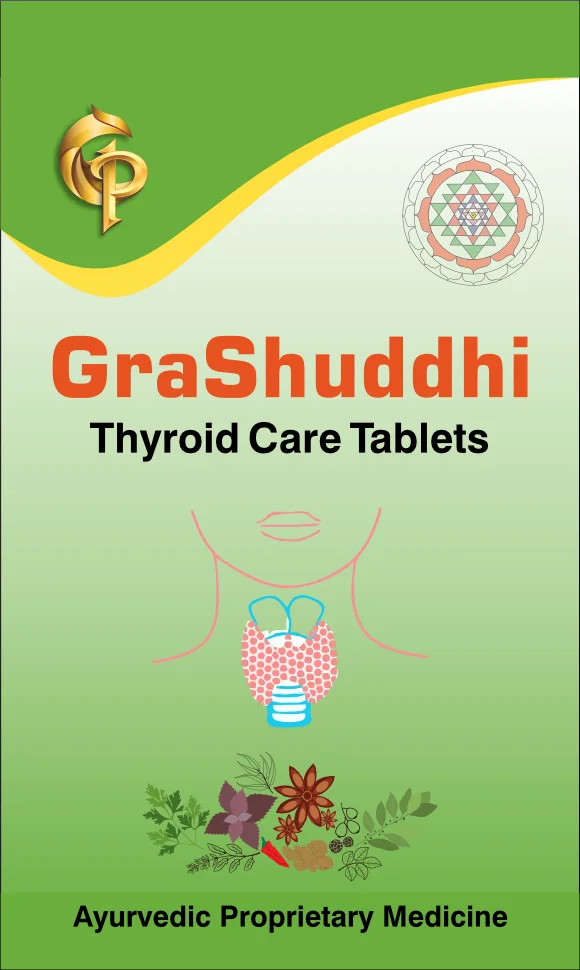
For individuals looking for Ayurvedic-inspired support alongside regular thyroid management, Thyroid Care Tablets are formulated to support thyroid hormone balance and metabolic health.
Key benefits:
- Supports thyroid function and immune response.
- Helps manage weight and supports detoxification of the lymphatic and hormonal systems.
- Supports mental wellbeing and helps reduce oxidative stress.
Formulation: Kanchnar for thyroid support, Haritaki, Amla, Behada, Varun, Shudh Guggul, Ginger, Pippali, Black Pepper, Gokshur, Shilajit, Jatamansi, and Punarnava.
Who may benefit: Individuals experiencing hypothyroid-type symptoms, sluggish metabolism, fatigue, or glandular swelling may consider it as part of a broader wellness routine.
When to use: It may be used alongside regular thyroid care or during periods of fatigue and hormonal change. It should not replace prescribed thyroid medication or clinical monitoring.
Usage: Take 1–2 tablets twice daily, or use as directed by a qualified healthcare professional.
Before starting, discuss it with your doctor—particularly if you are pregnant, breastfeeding, managing an autoimmune thyroid condition, taking levothyroxine, or have a thyroid nodule, heart condition, or another chronic illness.
When to Seek Medical Help
Arrange prompt medical assessment if you notice:
- A growing lump or swelling in the neck
- Difficulty swallowing or breathing
- A rapid, irregular, or pounding heartbeat
- Severe fatigue, confusion, fainting, or marked weakness
- Sudden weight loss with tremors or anxiety
- Facial swelling, especially with breathlessness
- Symptoms that do not improve despite treatment
Pregnant women, people planning pregnancy, and those with existing thyroid disease should have regular follow-up with their clinician, as thyroid hormone needs can change during pregnancy and after delivery.
A Balanced Path Forward
Ayurveda can be a valuable part of a holistic wellness plan when it is used responsibly. Focus on nourishing food, regular movement, restorative sleep, stress reduction, and carefully chosen herbal support. At the same time, keep thyroid testing and prescribed treatment at the centre of care.
The most effective approach is not choosing between modern medicine and Ayurveda—it is combining informed lifestyle care with safe, supervised medical treatment.
For expert advice, visit us at www.gratiapharma.com or reach out to our Pune experts at (91) 9325682111.
Stay tuned to our site for more practical guidance on thyroid wellness, Ayurvedic living, immunity, metabolism, and everyday health.