
Ayurvedic Products for Diabetes in India: What the Evidence Says and How to Use Them Safely
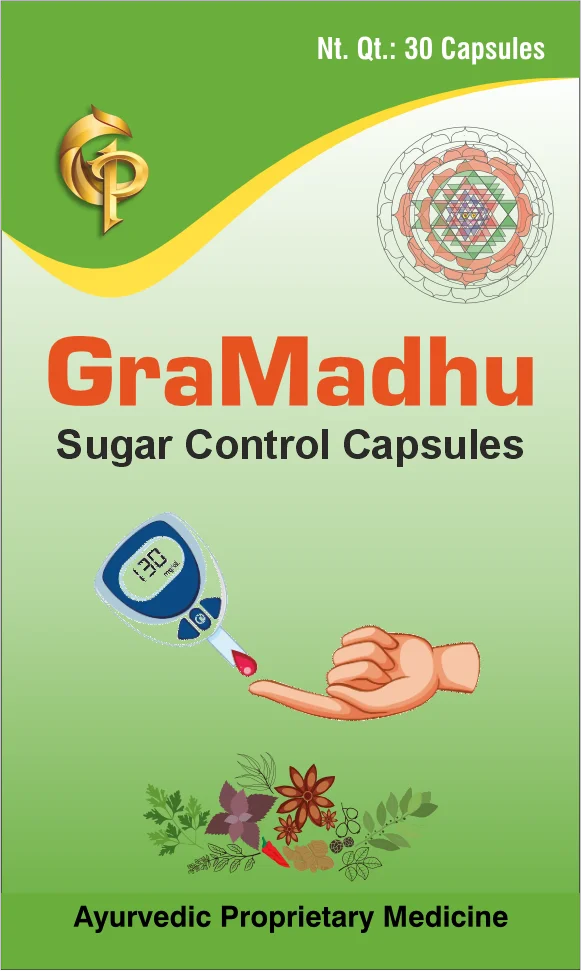
Ayurveda is deeply rooted in Indian health traditions, and many people search for ayurvedic products for diabetes India hoping to support blood-sugar control naturally. However, diabetes needs careful, evidence-based management: Ayurvedic products may be considered only as a complement to—not a replacement for—prescribed treatment and lifestyle care.
Understanding Diabetes in India
Diabetes, especially type 2 diabetes, is a long-term condition in which the body struggles to regulate blood glucose. In India, it is commonly managed with a combination of healthy food choices, regular physical activity, weight management where appropriate, prescribed medicines, and routine monitoring.
The most important point is simple: no herbal or Ayurvedic product has been proven to cure diabetes. The American Diabetes Association states that supplements are not proven as an effective option for lowering blood glucose or supporting diabetes management, unless there is a diagnosed nutrient deficiency.
Why Ayurvedic Products Attract Attention
Ayurvedic products are popular because they often use herbs, spices, and traditional formulations that feel familiar and natural. People may look for options such as herbal powders, churnas, capsules, teas, kadhas, and multi-ingredient formulations marketed for “sugar control.”
Interest is understandable. Living with diabetes can feel overwhelming, and many people want to feel more actively involved in their care. But “natural” does not automatically mean safe—particularly for someone taking insulin or oral diabetes medicines. Herbal remedies can change blood-glucose levels and may interact with diabetes treatment.
What Research Actually Shows
The scientific evidence for Ayurvedic products in diabetes is still limited. The National Center for Complementary and Integrative Health (NCCIH) notes that a few studies suggest certain Ayurvedic preparations may help manage symptoms of type 2 diabetes, but most trials are small, short-term, or not well designed. As a result, researchers cannot yet make firm conclusions about their effectiveness.
For individual herbs and supplements, the picture is similarly cautious. NCCIH says there is weak or limited evidence for some ingredients—such as chromium, cinnamon, berberine, and alpha-lipoic acid—but studies vary widely in dose, formulation, duration, and results. For most supplements, there is not enough reliable evidence to show a benefit for diabetes or its complications.
| Product type | What current evidence suggests | Important caution |
|---|---|---|
| Ayurvedic multi-herb formulations | A few small studies suggest possible benefit, but evidence is not strong enough for firm conclusions. | Ingredient quality, dose, and contamination can vary between brands. |
| Single herbs such as gymnema, fenugreek, or bitter melon | Some may influence glucose levels, but evidence remains limited and inconsistent. | They may add to the glucose-lowering effect of medicines. |
| Berberine, cinnamon, chromium | Weak evidence of possible blood-sugar benefit; results are mixed. | Supplements can interact with medicines and may cause side effects. |
| “Diabetes cure” products | No credible evidence supports a cure. | Never stop prescribed medicines based on an advertisement or testimonial. |
Safety Comes First
The biggest concern with Ayurvedic products is not only whether they work—it is whether they are safe, consistent, and suitable for your specific treatment plan.
Some Ayurvedic preparations may contain lead, mercury, or arsenic at levels that can be toxic. NCCIH warns that some products include metals, minerals, or gems, and the U.S. FDA has warned that metals in certain Ayurvedic products may be harmful.
This matters because diabetes already increases the risk of kidney, nerve, heart, and eye complications. Adding an unverified product with unknown ingredients can make an already complex health situation riskier. Diabetes UK also notes that herbal remedies may affect how diabetes medicines work and may worsen complications such as kidney disease.
Possible Interactions With Diabetes Medicines
Herbal products can lower blood glucose, which means combining them with insulin, metformin, sulfonylureas, or other glucose-lowering medicines may increase the risk of hypoglycaemia—dangerously low blood sugar. Symptoms can include shakiness, sweating, confusion, dizziness, hunger, or a rapid heartbeat.
The NHS advises people using insulin never to start or stop a herbal remedy without advice from a doctor, pharmacist, or diabetes nurse. It also notes that herbal remedies are not tested in the same way as prescription medicines and may not be assessed for interactions with other treatments.
Some ingredients may also interact with medicines beyond diabetes care. For example, research reviews flag possible interactions involving garlic or fenugreek with warfarin, while bitter melon may increase the risk of potassium depletion in people using certain laxatives or diuretics.
How to Choose More Responsibly
If you and your healthcare professional decide that an Ayurvedic product may be appropriate, treat it as one part of a broader plan—not a shortcut.
- Ask your doctor, diabetes educator, or pharmacist before starting any product, especially if you use insulin or take regular medicines.
- Continue your prescribed treatment unless your clinician specifically advises a change.
- Choose products with a clear ingredient list, batch number, manufacturing and expiry date, dosage instructions, and manufacturer contact details.
- Avoid products claiming to “cure” diabetes, replace insulin, or deliver results without lifestyle changes.
- Avoid buying from unverified online sellers or products with vague labels, proprietary blends, or exaggerated claims.
- Monitor your blood glucose as advised, particularly during the first weeks of using any new supplement.
- Stop the product and seek medical advice if you develop unusual symptoms, skin reactions, jaundice, severe fatigue, abdominal pain, or repeated low-glucose readings.
The ADA specifically cautions that supplements may cause side effects or interact with medicines; some may intensify diabetes medication effects and cause low blood glucose, while others may raise glucose levels.
Lifestyle Remains the Foundation
Ayurveda can be part of a holistic approach when it supports healthy routines rather than replacing medical care. The most reliable diabetes-supportive habits remain:
- Eating balanced meals with fibre-rich vegetables, whole grains in appropriate portions, pulses, nuts, and lean protein.
- Reducing frequent intake of sugary drinks, refined carbohydrates, and highly processed foods.
- Walking or doing another form of physical activity regularly, as advised for your health condition.
- Maintaining a healthy weight where relevant.
- Taking prescribed medicines consistently.
- Checking blood glucose, blood pressure, cholesterol, kidney function, and eye health according to your clinician’s plan.
These measures have a much stronger evidence base than any single herbal product for preventing complications and improving day-to-day diabetes management.
A Balanced Way to Use Ayurveda
Ayurvedic products for diabetes in India may have a role as a supportive wellness choice for some people, but they should never be viewed as a standalone treatment or a cure. The evidence is promising in only limited ways, product quality can vary, and safety concerns—including heavy-metal contamination and medicine interactions—are real.
The safest approach is collaborative: discuss your interest in Ayurveda with your doctor or diabetes care team, share every product you use, and keep your prescribed treatment and monitoring plan unchanged unless a qualified professional advises otherwise.
Stay Tuned for More Diabetes Wellness Guidance
Managing diabetes is not about chasing quick fixes—it is about making informed, sustainable choices every day. If you found this guide helpful, stay tuned to our site for more practical, research-aware articles on diabetes nutrition, Ayurvedic wellness, blood-sugar monitoring, medication safety, and healthy Indian lifestyle habits.
For expert guidance on diabetes-friendly wellness and Ayurvedic products, visit us at www.gratiapharma.com or reach out to our Pune experts at (91) 9325682111.